
 Image 1 of 4
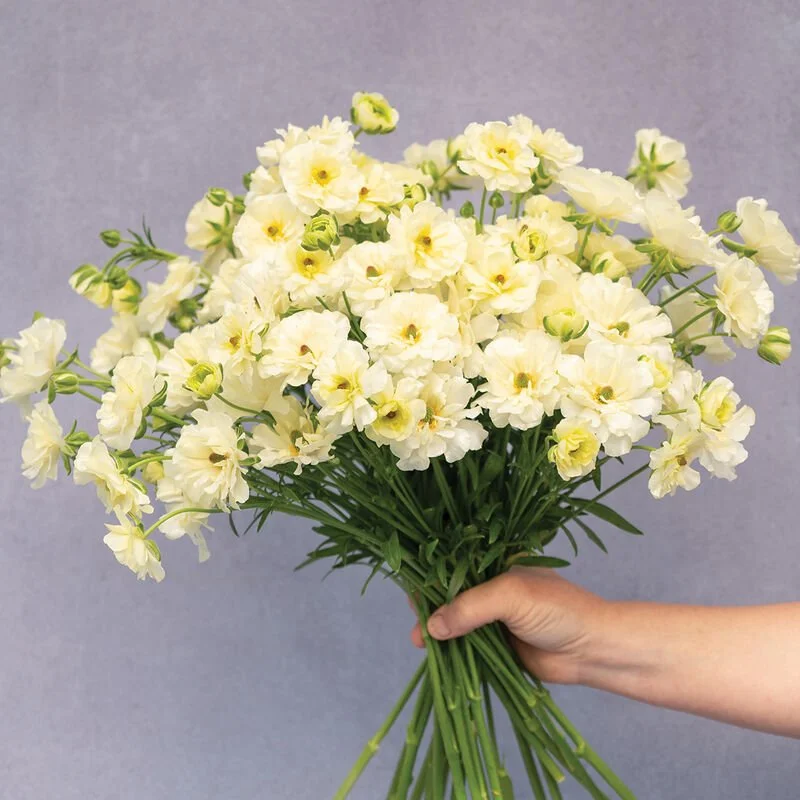 Image 2 of 4
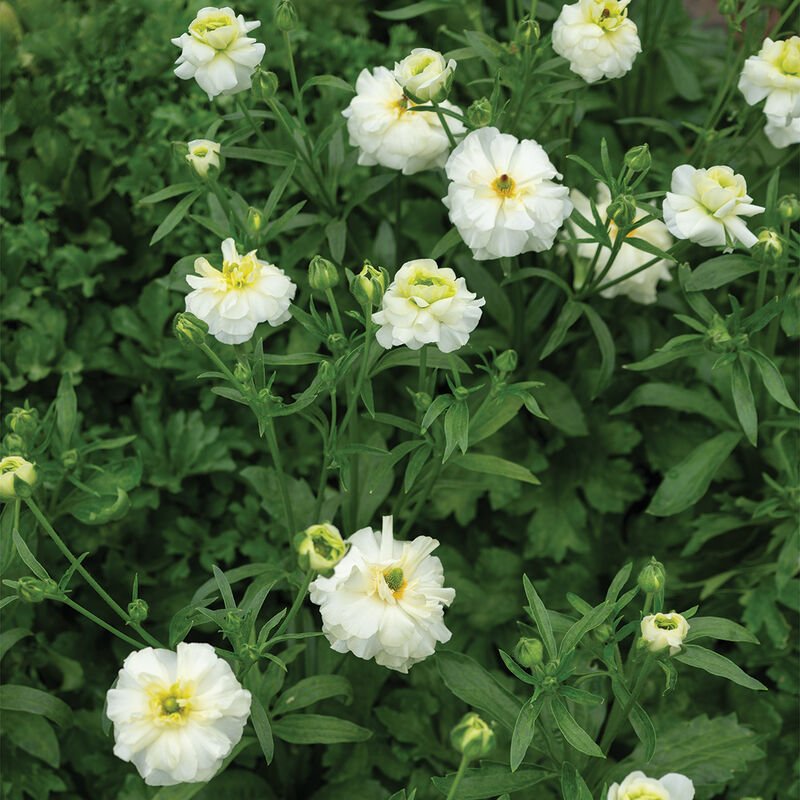 Image 3 of 4
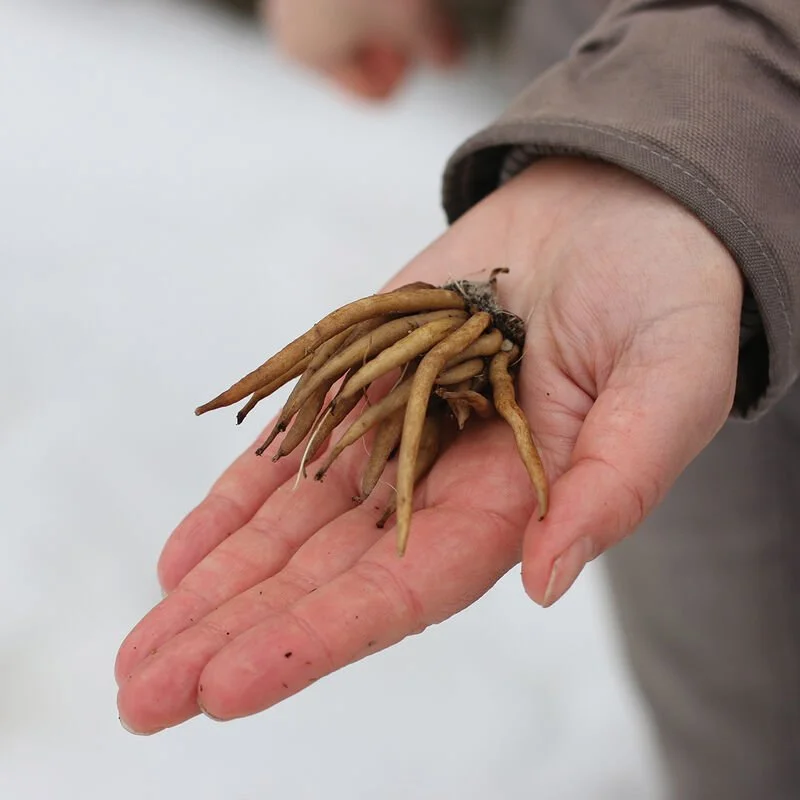 Image 4 of 4
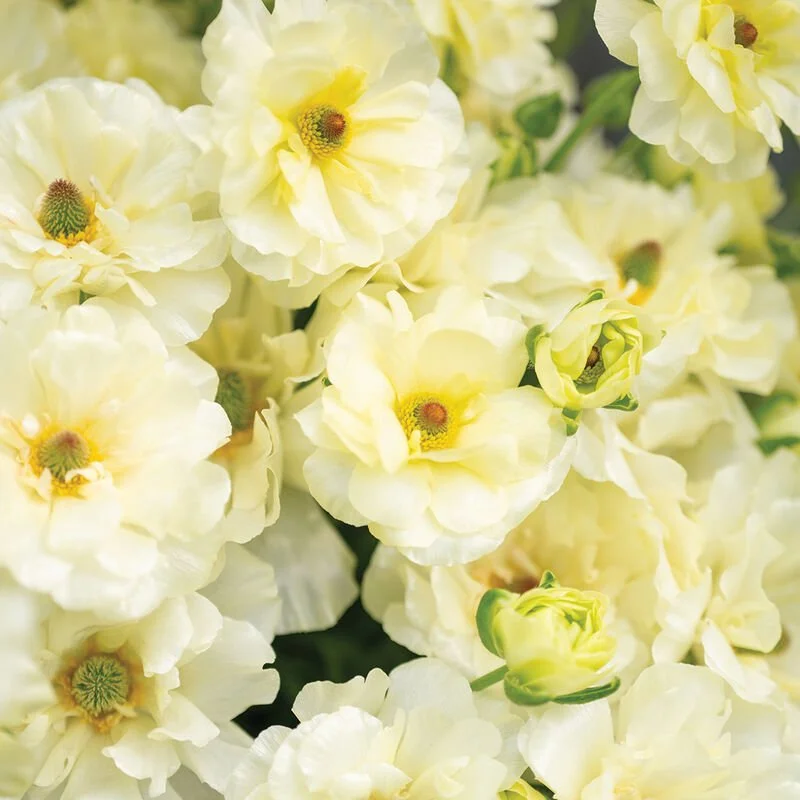
Butterfly™ ranunculus produces multiple branching stems per plant with 5–7 blooms per stem. Its distinctive 2–3" wide blooms more closely resemble cosmos or poppies than traditional ranunculus. The flower petals also have a thin, waxy layer that helps make them surprisingly durable and creates a sparkling, opalescent sheen on the petal's surface. The plant habit is quite different from the more widely known or traditional type of cut-flower ranunculus: Butterfly ranunculus has larger corms; tall, branching stems; larger leaves; and a vigorous plant habit that requires wider spacing. Do not pinch plants, as plants branch naturally. Unauthorized reproduction and sale of corms is prohibited by the breeder.
Please Note: This crop requires very specific growing conditions; please review our growing instructions before investing in corms.
Butterfly™ series corms (tuberous roots) are not graded or sized and vary somewhat depending on variety, typically 2.5–4 cm in width and 5–6.5 cm in length.
1 unit = 1 corm
About This Variety:
Graces has cream-colored petals with a green center.
Plant Height: 18–36"
Order is for 5 corms
When to Plant Butterfly Ranunculus Corms
Butterfly style ranunculus are cool-season flowers and perform best when allowed to establish and grow during periods of cool weather.
In mild climates, corms can be planted in fall for late winter and spring flowers. In colder climates, Butterfly ranunculus corms are generally started in late winter or early spring and planted outdoors with protection once conditions allow.
These plants prefer cool growing conditions and may begin to slow as temperatures become consistently warm.
Dormant ranunculus corms naturally arrive small, hard, dry, and claw-like. This is completely normal.
Before planting, soak the corms in room-temperature water for approximately 3–4 hours. They will begin to plump as they absorb moisture.
Corms can then be planted directly or pre-sprouted to encourage root development before planting. To pre-sprout, place soaked corms in lightly moist potting mix and keep them in a cool location for approximately 10–14 days. Check periodically for root development and remove any corms showing signs of rot.
Plant corms approximately 1–2 inches deep with the pointed "claws" facing downward. Butterfly ranunculus appreciate more room than many traditional ranunculus varieties, so allow approximately 8–12 inches between plants.
Choose a location with full sun to part sun and fertile, exceptionally well-draining soil. Good drainage is especially important for ranunculus, as corms can rot when kept excessively wet.
In colder climates, frost cloth, low tunnels, or an unheated greenhouse can provide additional protection during periods of severe cold.
Water thoroughly after planting and then keep the soil lightly and consistently moist without allowing it to become waterlogged. Avoid excessive watering while the corms are establishing.
Once actively growing, Butterfly ranunculus appreciate consistent moisture, good air circulation, and cool temperatures.
Because these plants develop tall, branching stems carrying multiple flowers, support netting is highly recommended. Providing support early in the season helps keep stems upright and protects them from wind and heavy spring weather.
Bloom time varies depending on climate, planting date, and growing conditions. Butterfly ranunculus perform best during cool spring weather and can produce an abundance of flowering stems once established.
Unlike traditional ranunculus, Butterfly ranunculus produce multiple flowers and buds on each branching stem. This creates an airy spray of blooms rather than a single large flower.
For cut flower production, harvest stems as the first flowers begin to open while additional buds remain on the stem. The remaining buds can continue opening in the vase, creating a beautiful and constantly changing display.
In colder growing zones, Butterfly ranunculus are typically treated as cool-season annuals rather than reliably winter-hardy perennials.
Starting corms in a protected environment in late winter gives plants an opportunity to establish before they are planted outdoors. Once established, ranunculus tolerate cool spring conditions well, although protection may be necessary during periods of extreme cold.
Don't be concerned if your Butterfly ranunculus corms look small, dry, hard, and wrinkled when they arrive. Dormant ranunculus corms naturally look this way.
After soaking and planting, the corms begin developing roots and foliage before eventually producing their distinctive branching flower stems.
Butterfly™ ranunculus produces multiple branching stems per plant with 5–7 blooms per stem. Its distinctive 2–3" wide blooms more closely resemble cosmos or poppies than traditional ranunculus. The flower petals also have a thin, waxy layer that helps make them surprisingly durable and creates a sparkling, opalescent sheen on the petal's surface. The plant habit is quite different from the more widely known or traditional type of cut-flower ranunculus: Butterfly ranunculus has larger corms; tall, branching stems; larger leaves; and a vigorous plant habit that requires wider spacing. Do not pinch plants, as plants branch naturally. Unauthorized reproduction and sale of corms is prohibited by the breeder.
Please Note: This crop requires very specific growing conditions; please review our growing instructions before investing in corms.
Butterfly™ series corms (tuberous roots) are not graded or sized and vary somewhat depending on variety, typically 2.5–4 cm in width and 5–6.5 cm in length.
1 unit = 1 corm
About This Variety:
Graces has cream-colored petals with a green center.
Plant Height: 18–36"
Order is for 5 corms
When to Plant Butterfly Ranunculus Corms
Butterfly style ranunculus are cool-season flowers and perform best when allowed to establish and grow during periods of cool weather.
In mild climates, corms can be planted in fall for late winter and spring flowers. In colder climates, Butterfly ranunculus corms are generally started in late winter or early spring and planted outdoors with protection once conditions allow.
These plants prefer cool growing conditions and may begin to slow as temperatures become consistently warm.
Dormant ranunculus corms naturally arrive small, hard, dry, and claw-like. This is completely normal.
Before planting, soak the corms in room-temperature water for approximately 3–4 hours. They will begin to plump as they absorb moisture.
Corms can then be planted directly or pre-sprouted to encourage root development before planting. To pre-sprout, place soaked corms in lightly moist potting mix and keep them in a cool location for approximately 10–14 days. Check periodically for root development and remove any corms showing signs of rot.
Plant corms approximately 1–2 inches deep with the pointed "claws" facing downward. Butterfly ranunculus appreciate more room than many traditional ranunculus varieties, so allow approximately 8–12 inches between plants.
Choose a location with full sun to part sun and fertile, exceptionally well-draining soil. Good drainage is especially important for ranunculus, as corms can rot when kept excessively wet.
In colder climates, frost cloth, low tunnels, or an unheated greenhouse can provide additional protection during periods of severe cold.
Water thoroughly after planting and then keep the soil lightly and consistently moist without allowing it to become waterlogged. Avoid excessive watering while the corms are establishing.
Once actively growing, Butterfly ranunculus appreciate consistent moisture, good air circulation, and cool temperatures.
Because these plants develop tall, branching stems carrying multiple flowers, support netting is highly recommended. Providing support early in the season helps keep stems upright and protects them from wind and heavy spring weather.
Bloom time varies depending on climate, planting date, and growing conditions. Butterfly ranunculus perform best during cool spring weather and can produce an abundance of flowering stems once established.
Unlike traditional ranunculus, Butterfly ranunculus produce multiple flowers and buds on each branching stem. This creates an airy spray of blooms rather than a single large flower.
For cut flower production, harvest stems as the first flowers begin to open while additional buds remain on the stem. The remaining buds can continue opening in the vase, creating a beautiful and constantly changing display.
In colder growing zones, Butterfly ranunculus are typically treated as cool-season annuals rather than reliably winter-hardy perennials.
Starting corms in a protected environment in late winter gives plants an opportunity to establish before they are planted outdoors. Once established, ranunculus tolerate cool spring conditions well, although protection may be necessary during periods of extreme cold.
Don't be concerned if your Butterfly ranunculus corms look small, dry, hard, and wrinkled when they arrive. Dormant ranunculus corms naturally look this way.
After soaking and planting, the corms begin developing roots and foliage before eventually producing their distinctive branching flower stems.